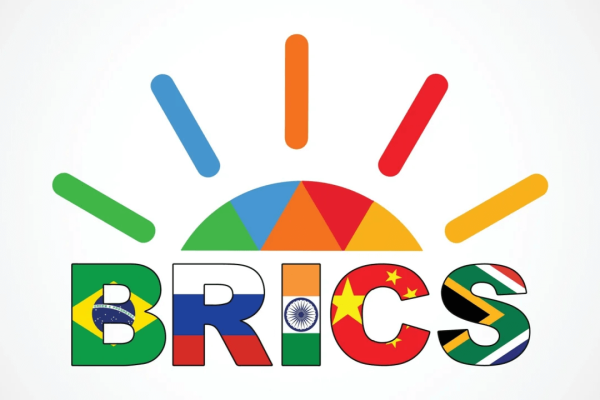
The global educational landscape is undergoing a seismic shift, driven not by traditional Western powers but by a collective of nations representing over 40% of the world’s population and approximately 25% of global GDP. The BRICS+ alliance originally comprising Brazil, Russia, India, China, and South Africa, now expanded to include Egypt, Ethiopia, Iran, Indonesia, and the United Arab Emirates has emerged as a formidable force in reshaping international education policy, practice, and cooperation . This transformation extends far beyond diplomatic rhetoric, manifesting in concrete initiatives ranging from cross-border university networks to the integration of artificial intelligence in classrooms and the harmonization of technical vocational training standards. As these nations collectively reimagine education for the 21st century, their influence creates ripples across the Global South and challenges long-held assumptions about educational hegemony.
The Evolution of BRICS+ Educational Cooperation
From Economic Alliance to Educational Powerhouse
The BRICS consortium began primarily as an economic and political coalition, but member nations quickly recognized that sustainable development required substantial investment in human capital. The educational dimension of BRICS cooperation has deepened considerably since the alliance’s early years, with education ministers now meeting regularly to coordinate policies and share best practices .
The 12th Meeting of BRICS Education Ministers, held in Brazil in June 2025, marked a significant milestone in this evolutionary journey. Hosted under Brazil’s rotating presidency, the gathering produced the Joint Declaration of the 12th Meeting of the BRICS Ministers of Education, which committed member states to enhanced cooperation in several critical areas . These commitments included:
A. The ethical and inclusive adoption of Artificial Intelligence in basic education
B. Strengthening assessments in higher education as a foundation for cross-border qualification recognition
C. Formalizing the BRICS TVET Cooperation Alliance Charter
D. Approving the protocol for Indonesia’s accession to the BRICS Network University memorandum of understanding
This high-level political commitment translates into tangible programs and initiatives that affect millions of students, educators, and researchers across the member states. The expansion of BRICS to include Egypt, Ethiopia, Iran, Indonesia, and the United Arab Emirates has further diversified the educational perspectives within the alliance, bringing new challenges and opportunities to the forefront .
The Institutional Architecture of BRICS+ Education
Behind the political declarations lies a complex institutional framework designed to implement educational cooperation at multiple levels. The BRICS Network University (BRICS-NU) stands as perhaps the most visible manifestation of this institutional architecture. Established in 2015, the network has grown substantially, with participating institutions now distributed across member countries as follows :
-
Brazil: 20 institutions
-
China: 20 institutions
-
Russia: 20 institutions
-
Egypt: 20 institutions
-
Iran: 19 institutions
-
South Africa: 14 institutions
-
India: 12 institutions
-
United Arab Emirates: 12 institutions
The BRICS-NU operates through thematic groups that reflect priority areas for collaborative research and academic mobility. Originally structured around six focus areas—Computer Science and Information Security, BRICS Studies, Energy, Ecology and Climate Change, Water Resources and Pollution Control, and Economics—the network has expanded to encompass eleven thematic areas . The five new fields added in 2024 include:
A. Health Sciences
B. Mathematics
C. Natural Sciences
D. Social Sciences and Humanities
E. Sustainable Agriculture and Food Security
This expansion demonstrates the growing ambition of BRICS+ educational cooperation and the recognition that contemporary challenges require interdisciplinary approaches spanning traditional academic boundaries.
Technological Transformation and Early Education
Integrating STEM from the Foundation Phase
Perhaps one of the most significant developments in BRICS+ education involves the systematic integration of science and technology into early childhood education. A comprehensive comparative study examining foundation phase policies across BRICS countries reveals distinct national approaches while highlighting a shared commitment to preparing children for a technology-driven world .
The research, published in Perspectives in Education, analyzed policy documents, curricula, and academic literature to identify patterns of science and technology integration in early education. The findings reveal fascinating variations in how member nations approach this challenge :
Brazil emphasizes digital literacy through its National Common Curricular Base (BNCC), ensuring that children develop fundamental skills in navigating digital environments from their earliest school experiences. This approach recognizes that digital literacy has become as fundamental as traditional literacy in the 21st century.
China has adopted perhaps the most forward-leaning approach, integrating robotics and artificial intelligence concepts from the early years. Chinese educators introduce young children to basic programming concepts and robotic manipulation, building familiarity with technologies that will dominate their future workplaces.
Russia and India have introduced computational thinking in primary education, focusing on developing logical reasoning and problem-solving skills rather than specific technical competencies. This approach emphasizes cognitive flexibility and adaptability.
South Africa is piloting coding and robotics in the foundation phase, testing various pedagogical models before potential nationwide scaling. These pilots generate valuable data about effective teaching methodologies in resource-constrained environments.
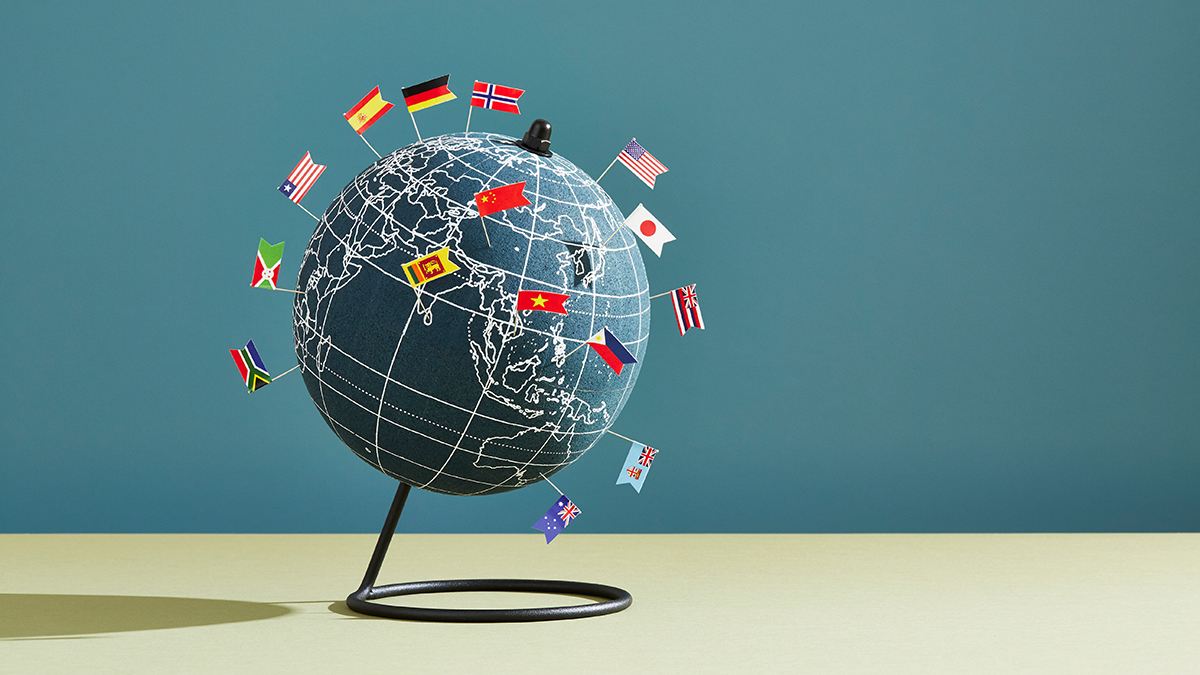
Despite these diverse approaches, the study identified common threads running through all national reforms . Policymakers across BRICS+ nations share recognition of the need to cultivate:
-
Creativity and innovative thinking from the earliest ages
-
Critical analysis skills that enable children to evaluate information
-
Problem-solving capabilities applicable across domains
-
Adaptability in the face of rapid technological change
The Role of Innovation in Educational Reform
The comparative study emphasizes that innovation has become a cornerstone of educational reform across BRICS+ countries. The pervasive influence of science and technology necessitates thorough examination of their impact on education systems as policymakers face the daunting task of recalibrating educational frameworks for contemporary professional requirements .
These changes affect multiple dimensions of education simultaneously:
Learning processes evolve as technology enables personalized, adaptive learning experiences that respond to individual student needs. Digital platforms can now tailor instruction to each learner’s pace and preferred learning style.
Teaching methodologies transform as educators incorporate new tools and approaches. Teachers must now facilitate technology-enhanced learning while maintaining the human connections essential to effective education.
Institutional operations become more efficient and data-driven, with administrative systems leveraging technology to track student progress, allocate resources, and communicate with stakeholders.
The study’s authors advocate for ongoing comparative analyses to glean insights and identify best practices conducive to fostering educational excellence amid the evolving technological landscape . This commitment to continuous learning and adaptation characterizes the BRICS+ approach to educational development.
Technical and Vocational Education Transformation
The BRICS TVET Cooperation Alliance
Technical and Vocational Education and Training (TVET) has emerged as a priority area for BRICS+ cooperation, reflecting the alliance’s focus on workforce development and economic competitiveness. The BRICS TVET Cooperation Alliance (BRICS-TCA), established in 2022, brings together educational institutions, policymakers, and industry partners to strengthen vocational training across member states .
The alliance’s significance was underscored during the June 2025 meeting in Brasília, where officials from BRICS countries gathered to advance cooperation in this critical sector. Francisco Figueiredo de Souza, Special Advisor for International Affairs at Brazil’s Ministry of Education and coordinator of the BRICS Education working group, emphasized that the alliance serves as “a multilateral platform for the exchange of policy experiences and best practices, encouraging direct cooperation among TVET networks and institutions” .
Past initiatives under the alliance have included:
A. International conferences bringing together TVET practitioners and policymakers
B. Online training courses for teachers, enabling skill development across borders
C. Student exchanges among BRICS nations, providing cross-cultural learning experiences
D. Joint research initiatives examining effective vocational education practices
E. Curriculum development collaborations ensuring training aligns with industry needs
Addressing Contemporary Challenges in Vocational Education
The Brasília meeting identified three key challenges that should guide the alliance’s work moving forward, according to Brazil’s rotating presidency :
Ensuring high-quality education that fosters social and economic inclusion of youth remains paramount. Vocational education must serve as a pathway to opportunity, particularly for disadvantaged populations who may face barriers to traditional academic pathways.
Reinforcing the importance of TVET for socioeconomic development requires sustained advocacy and evidence-building. Policymakers must understand that robust vocational education systems contribute directly to national productivity and competitiveness.
Integrating new technologies and innovative practices into technical training programs ensures that graduates possess relevant skills for evolving industries. This challenge requires continuous curriculum updating and investment in training infrastructure.
During discussions, participants shared experiences framed around three central themes :
-
Access, retention, and success of young people in TVET programs
-
The role of vocational education in national development strategies
-
Innovation in vocational training methodologies and technologies
International Partnerships and Knowledge Exchange
The BRICS-TCA has facilitated meaningful exchanges among member nations, with representatives sharing national experiences and exploring collaborative opportunities. Zhai Jinming, Director of Professional Education Cooperation at the China Education Association for International Exchange (CEAIE), noted that “communication between China and Brazil is becoming increasingly close, particularly in the context of expanding and deepening industrial cooperation” .
This bilateral cooperation reflects broader patterns within the alliance. According to the Chinese delegate, the BRICS-TCA has played a significant role in advancing cooperation in vocational education through :
-
Teacher exchanges that expose educators to different pedagogical approaches
-
Student exchanges providing cross-cultural learning experiences
-
Joint research initiatives examining effective training methodologies
-
Teacher training programs building capacity across member states
“I believe the scope of this cooperation will continue to grow, and that exchanges and partnerships will deepen, because vocational and technical education is vital for young people, for employability, and for the social and economic development of all countries,” Jinming concluded .
The alliance’s ambitions extend beyond member states, with delegates expressing hope that BRICS-TCA can contribute meaningfully to vocational education globally, particularly in support of the Global South, emerging economies, and other nations . This outward-looking orientation distinguishes BRICS+ educational cooperation from more insular regional initiatives.
Higher Education Transformation and Research Collaboration
The BRICS Network University in Practice
The BRICS Network University represents a ambitious experiment in multinational higher education collaboration. With participating institutions spanning eleven thematic areas, the network facilitates joint research, academic mobility, and innovative educational programs addressing challenges of common interest .
Brazil’s engagement with the network illustrates the potential and challenges of such collaboration. Francisco Figueiredo de Souza described BRICS-NU as “an initiative capable of strengthening the diversification of external partnerships among Brazilian higher education institutions” while acknowledging that “Brazil’s relations with universities in BRICS countries still hold significant untapped potential” .
The network’s expansion to include new thematic areas reflects evolving priorities. With Brasil now represented in all 11 thematic groups nine of them with two institutions and two with one the network provides comprehensive coverage of priority research areas . The geographic distribution of participating Brazilian institutions spans all regions of the country, with campuses in both capital cities and interior towns, ensuring diverse perspectives inform collaborative research.
Ongoing discussions within the network focus on :
A. Launching a dedicated scientific journal showcasing BRICS+ research
B. Developing specific calls for faculty and student mobility programs
C. Introducing joint master’s programs with multiple degrees
D. Expanding institutional participation through revised quota systems
Teacher Education in Comparative Perspective
The impact of globalization on teacher education across BRICS countries has received increasing scholarly attention, recognizing that effective teachers form the foundation of any successful education system. An edited volume published by Routledge in 2025, Globalisation and Teacher Education in the BRICS Countries: The Positioning of Research and Practice in Comparative Perspective, brings together leading researchers from member states to examine this critical dimension .
The volume’s structure reveals the complexity of teacher education across different national contexts:
Part 1: Setting the Scene examines the BRICS alliance and the impact of globalisation on teacher education worldwide, positioning the five nations within the broader educational universe .
Part 2: The Five Cases provides detailed country-specific analyses:
-
Trends in teacher education in Brazil: examining current trajectories and future directions
-
Linking theory and practice in training teachers: a Russian perspective on pedagogical preparation
-
Changing norms of policies and practices for teacher education in India: implications and concerns
-
Towards practice-based teacher education in China: policies and practices
-
Inquiry-focused and practice-based teacher education in partnership with schools: a South African perspective
Part 3: Comparative Analysis synthesizes findings across national contexts, examining the impact of globalization on teacher education and exploring themes of glocalization, culture, and fragmented transformation .
The volume critically engages with the often-problematic relationships between research, policy, and practice in teacher education, as well as the extent of integration between higher education institutions and basic schools. Particular emphasis falls on teachers’ professional development and the role of research in shaping effective practice .
Higher Education Transformations Post-Pandemic
The COVID-19 pandemic exposed vulnerabilities in higher education systems globally while accelerating certain transformations. A forthcoming volume from Routledge (2026), Transformations of Higher Education in BRICS: Policy, Procedures, and Practice, examines how member states have responded to these challenges and opportunities .
Contributors from the five BRICS member states present research findings and critical views on recent higher education developments in their countries. The conditions imposed by the pandemic exposed vulnerabilities but also provided valuable lessons leading to effective changes:
-
Educational changes are being applied to programs, projects, practices, and policies with varying degrees of success depending on context
-
The needs of students and staff have evolved substantially
-
Considerable attention has been given to the effective continuation of academic activities through technology
-
The nature of higher education and its role in society are being contemplated
-
Sustainable development pathways are being debated and refined
The volume provides an opportunity for unified effort and collective input to explore the transformation and reform of higher education across the BRICS nations . This collaborative approach to understanding educational change distinguishes BRICS+ from more competitive international education dynamics.
Soft Power and Educational Diplomacy
Promoting Language and Culture Through Education
Education serves not only human capital development but also soft power projection among BRICS+ nations. The recent agreement between the Moscow State Institute of International Relations (MGIMO) and the TVBrics International Media Network exemplifies this dimension of educational cooperation .
Signed at MGIMO’s headquarters in Moscow, the agreement aims to expand Russian education abroad while strengthening international relations. The partners’ plans include :
-
Implementing joint information projects showcasing educational opportunities
-
Promoting the results of scientific research from BRICS+ institutions
-
Highlighting MGIMO’s educational and cultural programs
-
Holding scientific conferences bringing together researchers from member states
-
Strengthening collaboration between professional and expert communities
Special attention will be given to promoting the Russian language and Russian education abroad, reflecting the importance of linguistic and cultural exchange within the alliance. Anatoly Torkunov, MGIMO’s Dean, stated that “MGIMO traditionally pays close attention to cooperation with the BRICS-plus countries,” expressing confidence that the agreement “will give new impetus to the development of joint projects aimed at shaping an objective perception of Russia and our partners in the global media sphere” .
The Global South Dimension
BRICS+ educational cooperation carries particular significance for the Global South, offering alternatives to traditional Western-dominated educational models and partnerships. As emerging economies and developing nations seek educational pathways suited to their specific contexts, BRICS+ provides a platform for South-South cooperation that respects diverse cultural traditions while pursuing shared development goals.
The expansion of BRICS to include Egypt, Ethiopia, Iran, Indonesia, and the United Arab Emirates strengthens this Global South orientation. These nations bring diverse educational traditions and challenges, enriching the collective knowledge base and expanding the relevance of BRICS+ educational models to varied contexts .
The TVET Cooperation Alliance explicitly aims to contribute to vocational education globally, “particularly in support of the Global South, emerging economies, and other nations” . This commitment to sharing knowledge and resources beyond the immediate membership distinguishes BRICS+ from more exclusive international groupings.
Policy Coordination and Future Directions
The 2025 Education Agenda
Under Brazil’s 2025 presidency, the BRICS education agenda focused on several priority areas designed to deepen cooperation and address shared challenges :
A. Increasing the percentage of secondary students enrolled in professional and technological education
B. Consolidating the expansion of topics and institutions involved in the BRICS Network University
C. Promoting ethical and inclusive adoption of Artificial Intelligence in education
D. Strengthening assessments in higher education as a pillar for cross-border qualification recognition
These priorities reflect both immediate concerns and longer-term strategic thinking. The focus on professional and technological education addresses urgent workforce development needs, while AI adoption and qualification recognition anticipate future challenges and opportunities.
Bilateral and Multilateral Cooperation
Beyond formal BRICS structures, member states pursue bilateral educational cooperation that complements and enriches multilateral initiatives. During the 12th Education Ministers Meeting, South African Minister Siviwe Gwarube held bilateral talks with Brazilian Minister Camilo Santana, discussing :
-
Mitigation of poverty barriers to education
-
Early childhood development strategies
-
Technical and vocational education collaboration
-
Teacher development programs
Ministers agreed to establish formal cooperation in these areas, demonstrating how bilateral relationships within the BRICS+ framework can accelerate progress on shared priorities. They further agreed to continue cooperation on the G20 2025 Education Working Group under South Africa’s presidency and the Global School Meals Coalition that Brazil co-chairs .
Technical Engagement and Knowledge Exchange
The BRICS education agenda includes significant technical engagement beyond ministerial meetings. The June 2025 program in Brazil featured :
-
A seminar for leaders of vocational and technical education institutions from BRICS countries, held at Brazil’s Ministry of Education, discussing social inclusion, national development, and employability
-
The 3rd Meeting of senior BRICS education officials
-
A technical visit to the Riacho Fundo campus of the Federal Institute of Brasília (IFB), where students demonstrated culinary arts, gastronomy, and English language teaching programs
-
A visit to SENAI Taguatinga, a TVET institution dedicated to promoting professional training and supporting technological research
These technical engagements provide opportunities for practitioners to share experiences and build relationships that persist beyond formal meetings. The Federal Institute of Brasília visit allowed delegations to observe innovative programs and engage directly with students and lecturers, creating lasting impressions and practical insights .
Challenges and Opportunities
Harmonizing Diverse Educational Systems
The diversity of educational systems across BRICS+ nations presents both opportunities and challenges. Each member state brings unique strengths and perspectives, enriching the collective knowledge base. However, harmonizing approaches to qualification recognition, quality assurance, and curriculum development requires sustained effort and mutual accommodation.
The 12th Education Ministers Meeting adopted commitments to cooperation in cross-border recognition of qualifications, acknowledging both the importance and difficulty of this endeavor . Progress in this area will facilitate student mobility and professional recognition, enhancing the practical value of BRICS+ educational cooperation.
Technology Integration and Equity
While BRICS+ nations pursue ambitious technology integration in education, ensuring equitable access remains challenging. The digital divide within and between countries threatens to exacerbate existing educational inequalities unless addressed systematically.
The emphasis on “ethical and inclusive adoption of Artificial Intelligence in education” in the 2025 agenda reflects awareness of these challenges . Member states recognize that technology must serve equity goals rather than undermining them, requiring thoughtful policy design and implementation.
Balancing Global and Local Priorities
BRICS+ educational cooperation must balance global engagement with local relevance. The concept of “glocalization” adapting global ideas to local contexts features prominently in scholarly analyses of BRICS education . Member states seek to learn from international best practices while maintaining educational approaches suited to their cultural traditions and development needs.
This balance requires ongoing negotiation and reflection. The afterword to the teacher education volume, titled “The BRICS Countries Present and Future: Glocalization, Culture and Fragmented Transformation,” suggests that finding appropriate syntheses of global and local influences remains an ongoing project rather than a settled achievement .

Conclusion
The BRICS+ alliance has emerged as a significant force in reshaping global education, challenging traditional hierarchies and offering alternative models of international cooperation. Through initiatives ranging from the Network University to the TVET Cooperation Alliance, member states are building institutional infrastructure for sustained educational collaboration. The integration of technology into early education, transformation of higher education, and strengthening of vocational training demonstrate the breadth and depth of BRICS+ educational engagement.
The expansion of BRICS to include Egypt, Ethiopia, Iran, Indonesia, and the United Arab Emirates brings new perspectives and challenges, enriching the alliance’s educational discourse and extending its relevance across the Global South. As these nations continue to develop their educational systems and share experiences, their collective influence on global education norms and practices will likely grow.
The 12th Education Ministers Meeting in Brazil marked a milestone in this evolutionary journey, producing concrete commitments and launching new initiatives. The adoption of the BRICS TVET Cooperation Alliance Charter, the protocol for Indonesia’s accession to the Network University, and commitments to cooperation in artificial intelligence and qualification recognition provide a robust foundation for future work.
Challenges remain, including the harmonization of diverse educational systems, ensuring equitable technology access, and balancing global engagement with local relevance. However, the commitment to ongoing comparative analysis and mutual learning that characterizes BRICS+ educational cooperation suggests that member states possess both the will and the capacity to address these challenges collaboratively.
As the world grapples with rapid technological change, evolving workforce requirements, and persistent educational inequalities, the BRICS+ experiment in educational cooperation offers valuable lessons and promising models. Whether through classroom innovations in foundation phase technology education, institutional transformations in higher education, or practical skills development in vocational training, BRICS+ nations are demonstrating that educational excellence can take many forms and emerge from diverse cultural contexts. Their collective experience enriches the global educational conversation and expands the range of possibilities for learners everywhere.