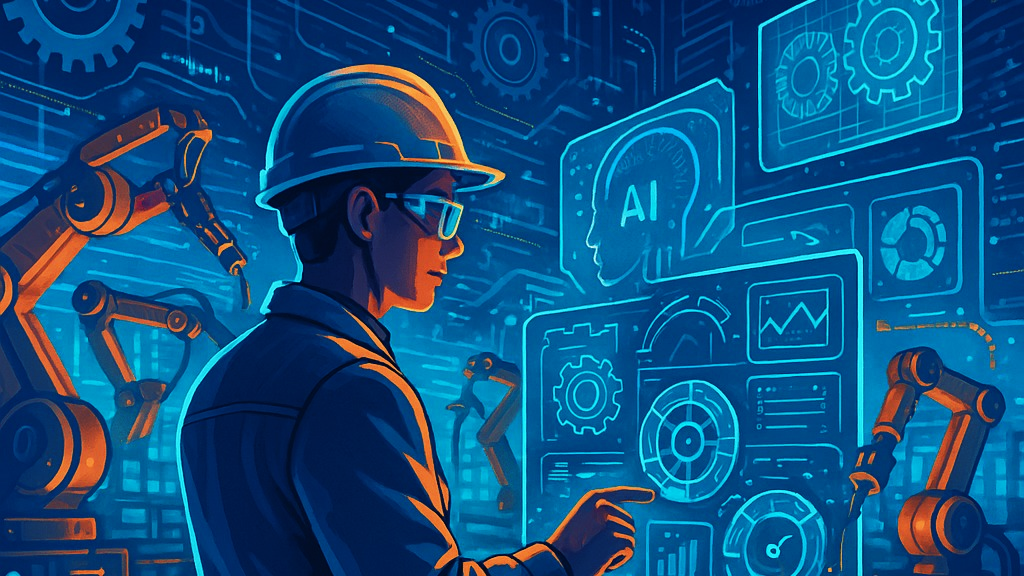
The conversation around the future of work has shifted. It is no longer a dystopian narrative of humans versus machines, but a more nuanced reality of humans alongside machines. As we navigate through 2026, artificial intelligence has become less of an emerging trend and more of a foundational utility much like electricity or the internet. It drafts emails, summarizes meetings, analyzes massive datasets, and generates creative content at scale .
However, this proliferation of AI has paradoxically made human-centric skills more valuable, not less. In a world where technical execution can be automated or augmented by algorithms, the ability to navigate ambiguity, build genuine relationships, and exercise ethical judgment has become the new competitive advantage . This article explores the “Future Skills” that will not only withstand the rise of AI but will be amplified by it, ensuring professionals remain indispensable in the evolving workplace.
The Great Reframing: From “Soft Skills” to “Power Skills”
For decades, interpersonal and cognitive abilities were often dismissed as “soft skills” a term that implied they were nice to have but secondary to technical hard skills. In 2026, this terminology is not just outdated; it is misleading. Experts now advocate for rebranding these attributes as “Power Skills” because they represent the innate human capabilities that machines cannot replicate .
The shift is driven by a fundamental reality: while AI excels at pattern recognition and execution within defined parameters, it lacks consciousness, emotion, and genuine lived experience. As Jen Paterno, a Senior Behavioral Scientist at CoachHub, notes, the term “soft skills” has never been accurate, and in the current automated world, it is downright misleading . These skills ranging from creative innovation to inclusive influence are the “judgment layer” above execution. They enable humans to decide what to do, why to do it, and whether it was done well, regardless of the specific tools used .
The Core Human Skills AI Can’t Replicate
To thrive in an AI-augmented workplace, professionals must double down on the skills that sit at the edge of the “jagged frontier”—areas where AI performs well on the surface but fails to grasp the deeper context . Here are the essential power skills for the future, categorized for clarity.
A. Critical Thinking and Ethical Judgment
The most immediate risk of generative AI is not that it will provide wrong answers, but that it will provide plausible-sounding answers that are subtly biased or completely incorrect (often called “hallucinations”). This is where human oversight becomes non-negotiable.
Critical thinking in the AI era involves a specific twist: the ability to assess AI outputs . It requires the user to spot bias, identify errors, and think through the implications of automated decisions. Harvard’s recent initiatives emphasize that non-tech professionals must be able to ask, “Does this recommendation make sense in our specific business context?” .
Furthermore, as AI systems make more impactful decisions in healthcare, criminal justice, and hiring ethical lapses become costly. Humans are needed to set norms, audit outputs, and ensure fairness . This involves navigating situations with limited data or where the “right” answer is not clear-cut, requiring a balance of logic, empathy, and long-term strategic thinking.
B. Emotional Intelligence and Relationship Building
Generative AI can simulate empathy. It can write a comforting message or use words that sound emotionally intelligent. However, it does not feel empathy. It lacks the ability to genuinely experience connection, build trust through shared vulnerability, or navigate the complex, unspoken dynamics of human relationships .
In the workplace of 2026, this distinction is critical. Roles that require establishing trust, navigating interpersonal conflict, and understanding the complex motivations behind human behavior remain firmly in the human domain . Active listening, for instance, involves interpreting hesitation, tone, and body language nuances that AI, operating through text or voice synthesis, consistently misses . As Satya Nadella, CEO of Microsoft, aptly put it, the true magic happens when humans augment technology with emotional intelligence .
C. Applied Creativity and Innovation
There is a common misconception that AI is creative. In reality, AI generates outputs based on pattern recognition and recombination of existing data. It cannot produce true invention born from intuition, serendipity, or the deliberate challenging of fundamental assumptions .
Human creativity in the future is less about artistic expression and more about applied creativity—the ability to connect disparate dots across knowledge domains, experience, and data to solve novel problems . It is the skill of reframing problems, asking “What if?” in ways that data alone cannot justify, and challenging the default processes that have always been in place . This type of innovation is what drives growth and adaptation in unpredictable markets.
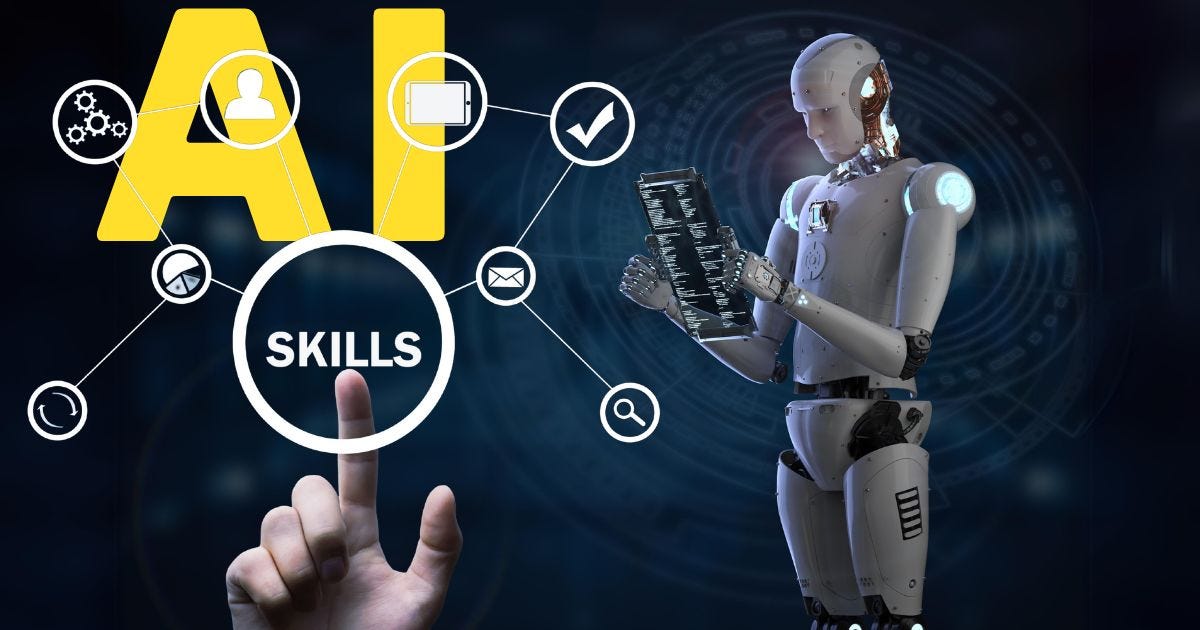
D. Resilience, Adaptability, and Learning Agility
The half-life of technical skills is shrinking. A coding language or software platform that is essential today may be obsolete in two years . Therefore, the meta-skill of the future is the ability to learn, unlearn, and relearn.
LinkedIn emphasizes that by 2030, approximately 70% of the skills used today in most professions will change, with AI being the main catalyst . This demands learning agility—the capacity to quickly absorb new concepts and apply them in real-time . It also requires resilience, which is the ability to maintain performance and a positive outlook during market disruptions or organizational change . People who can pivot, embrace uncertainty, and view challenges as learning opportunities will always be in demand, regardless of the specific tools they are using at the moment.
Real-World Applications: Roles That Are Thriving
To understand how these skills translate into tangible careers, one can look at specific industries. In marketing, for example, AI excels at generating copy and analyzing click-through rates. However, a recent Forbes analysis highlights several roles where AI is enhancing value rather than replacing it . These roles serve as a blueprint for the future of work across all sectors.
-
A. SEO Specialist: AI can suggest keywords, but algorithms evolve constantly. Human strategists align those technical shifts with overarching business objectives, ensuring brand visibility in a complex digital ecosystem .
-
B. Marketing Data Analyst: AI processes data, but human analysts provide the judgment to connect numbers with customer behavior and business context. They turn raw data into a compelling narrative that drives strategy .
-
C. Content Strategist: Generative AI floods the internet with words, but humans craft the narrative. Strategists ensure content tells the right story, engages the right audience, and maintains cultural relevance and brand safety .
-
D. Brand Manager: AI monitors sentiment, but managers interpret nuance and protect reputation in a crisis. They manage the relationships and authentic messaging that build long-term brand equity .
These roles share a common thread: they leverage AI for efficiency while relying on humans for strategy, empathy, and integration.
How to Develop Future Skills: A Practical Roadmap
Understanding which skills matter is only half the battle. The next step is deliberately cultivating them. Here is a roadmap for professionals and organizations looking to build a future-proof workforce.
Step 1. Conduct a Skills Audit
Start by identifying the gap between your current capabilities and the demands of an AI-augmented role. Focus not just on technical deficiencies but on opportunities to build judgment and communication skills .
Step 2. Embrace Micro-Learning and Experimentation
Learning should be embedded in daily work. This involves regular, short bursts of learning and, crucially, learning by doing. Experiment with AI tools, but do so with a critical eye. Ask yourself how you can improve the output, not just accept it .
Step 3. Seek Interdisciplinary Knowledge
Aim to be an “expert generalist.” While specialization has its place, generalists who can synthesize ideas from technology, humanities, and business are becoming increasingly valuable . For instance, combining a business degree with philosophy or communication courses can create a well-rounded leader capable of ethical and strategic thinking .
Step 4. Cultivate a Feedback-Rich Environment
AI can provide data, but it takes a human mentor to provide wisdom. Find mentors who can challenge your thinking and provide context to your experiences. Likewise, practice giving and receiving feedback with colleagues to sharpen your communication and collaboration skills .
The Organizational Shift: Building a Skills-Based Culture
For companies, the challenge is structural. Many organizations recognize the need for capability-based training, yet they remain locked into title-based career structures . To truly leverage human potential, businesses must shift from hiring for specific roles to hiring for demonstrated capabilities.
This involves dismantling legacy hierarchies and enabling cross-functional movement. When employees can move fluidly across projects based on their skills (like problem-solving or inclusive influence) rather than their job title, the organization becomes more agile . Retention strategies in 2026 must focus on aligning employees’ personal motivations with company goals, finding projects beyond their current roles that contribute to mutual growth .
Conclusion: The Human Advantage
The future of work is not about competing with AI on its own terms a race to the bottom in terms of processing speed or data analysis. It is about doing the things that AI, by its very nature, cannot do. It is about exercising judgment in ambiguous situations, building trust with a diverse team, creating something truly novel, and adapting with resilience when the unexpected occurs .
By investing in these timeless, human-centric skills, professionals do not just secure their place in the job market; they take on the role of shaping how technology is used. They move from being cogs in a machine to being the architects of a future where technology serves humanity, not the other way around .