
The landscape of higher education is undergoing the most significant transformation since the printing press revolutionized learning. Virtual universities, once considered a secondary option for nontraditional students, have now emerged as powerful forces reshaping how knowledge is delivered, accessed, and certified across the globe. This comprehensive exploration examines the multifaceted ways digital institutions are redefining academic paradigms and creating unprecedented opportunities for learners everywhere.
The Evolution from Correspondence Courses to Digital Campuses
Education at a distance is not a novel concept. Correspondence courses through mail services existed for over a century, allowing students in remote areas to receive instructional materials. However, today’s virtual universities bear little resemblance to these humble beginnings. The journey from simple text-based lessons to immersive digital experiences represents one of education’s most dramatic evolutions.
A. Early Distance Learning Models
The foundation of virtual education was laid through radio broadcasts in the 1920s and televised courses in the 1950s and 1960s. These initiatives demonstrated that learning could extend beyond physical classrooms. The British Open University, established in 1969, pioneered many concepts that modern virtual universities now perfect, including comprehensive learning materials, regional support centers, and recognized accreditation.
B. The Internet Revolution in Academia
When the internet became publicly accessible in the 1990s, forward-thinking institutions recognized its potential. Early online courses were often simple repositories for PDF documents and discussion forums. Yet, they established crucial precedents for digital credentialing and remote instruction that would expand exponentially in subsequent decades.
C. Modern Virtual University Infrastructure
Contemporary virtual universities leverage sophisticated learning management systems that integrate video lectures, interactive simulations, real-time collaboration tools, and artificial intelligence-driven personalized learning paths. These platforms have moved far beyond content delivery to create genuine learning communities across geographical boundaries.
Accessibility and Democratization of Higher Education
Perhaps the most profound impact of virtual universities lies in their ability to democratize access to quality education. Traditional barriers that have perpetuated educational inequality for generations are systematically dismantled by digital institutions.
A. Geographic Liberation
Students in rural communities, developing nations, or areas affected by conflict can now access world-class education without relocating. A student in a remote village can earn degrees from prestigious institutions while maintaining family and community connections. This geographic liberation prevents brain drain while enabling knowledge acquisition that benefits local communities.

B. Financial Accessibility Considerations
The cost structure of virtual universities differs fundamentally from brick-and-mortar institutions. Without expenses related to physical infrastructure, maintenance, and campus services, many virtual programs offer significantly reduced tuition. Additionally, students eliminate costs associated with relocation, housing, transportation, and campus living expenses. A 2023 study indicated that students completing degrees through accredited virtual universities incurred approximately forty percent less debt than traditional counterparts.
C. Flexibility for Diverse Life Circumstances
Virtual universities accommodate learners who cannot conform to rigid academic schedules. Working professionals, parents with childcare responsibilities, individuals with disabilities, and those caring for aging relatives can structure their education around existing obligations. This flexibility has opened doors for populations traditionally underrepresented in higher education.
D. Global Classroom Diversity
When physical location no longer determines enrollment, classrooms become genuinely global. Students from dozens of countries interact regularly, sharing perspectives shaped by vastly different cultural, economic, and political contexts. This diversity enriches discussions and prepares graduates for increasingly globalized professional environments.
Technological Innovations Driving Virtual Learning Experiences
The effectiveness of virtual universities depends heavily on the technological infrastructure supporting educational delivery. Recent innovations have transformed potentially isolating experiences into engaging, interactive learning journeys.
A. Immersive Learning Environments
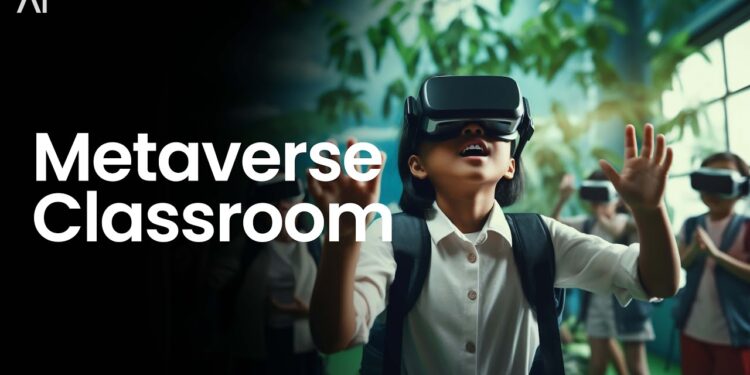
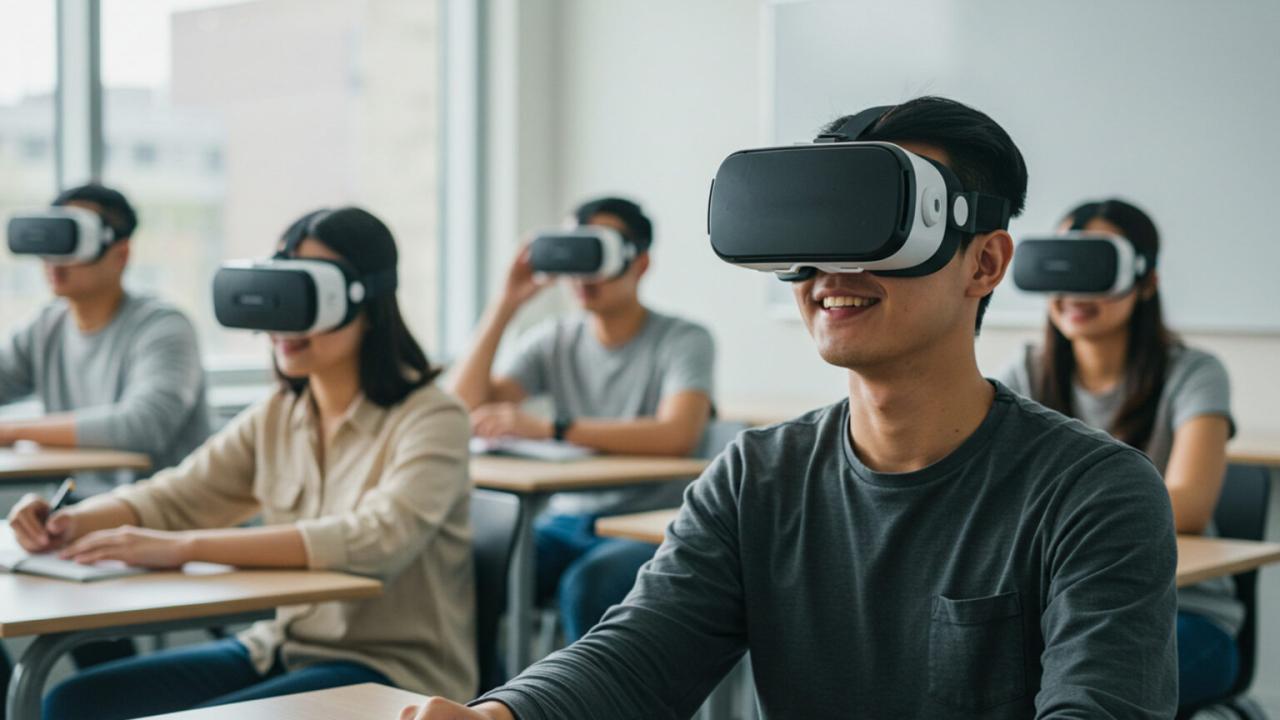
Virtual and augmented reality technologies transport students into simulated environments relevant to their studies. Medical students perform virtual surgeries, engineering students examine three-dimensional structures, and history students explore ancient civilizations through reconstructed environments. These immersive experiences provide practical applications that rival physical laboratory experiences.
B. Artificial Intelligence as Personalized Tutor
Artificial intelligence systems now analyze student performance patterns to identify knowledge gaps and recommend targeted resources. When students struggle with specific concepts, AI tutors provide additional explanations and practice opportunities. This personalized attention, impossible in large traditional lectures, improves outcomes while allowing human instructors to focus on complex mentorship.
C. Adaptive Assessment Methodologies
Traditional examinations often measure test-taking ability rather than genuine understanding. Virtual universities employ adaptive assessments that adjust difficulty based on student responses, providing more accurate measurements of competency. Continuous assessment through projects, discussions, and practical applications offers comprehensive evaluation beyond what single high-stakes examinations provide.
D. Collaborative Digital Tools
Modern virtual learning platforms integrate sophisticated collaboration tools enabling group projects, peer review, and community discussion regardless of participant locations. Shared digital workspaces, video conferencing with screen sharing, and asynchronous collaboration tools mirror the distributed work environments graduates will encounter professionally.
Accreditation and Credential Recognition Challenges
Despite their growing prevalence, virtual universities continue navigating complex landscapes of accreditation, quality assurance, and employer recognition. These challenges significantly impact institutional legitimacy and graduate outcomes.
A. Navigating Regional and Professional Accreditation
Reputable virtual universities pursue accreditation through recognized regional and professional bodies, subjecting themselves to rigorous evaluation of faculty qualifications, curriculum rigor, student outcomes, and institutional stability. However, the emergence of diploma mills exploiting public interest in online education has created skepticism that legitimate institutions must overcome.
B. Employer Perception Evolution
Employer attitudes toward virtual degrees have shifted dramatically over the past decade. While stigma once attached to online credentials, major corporations now actively recruit from virtual programs, recognizing that these graduates often demonstrate superior self-discipline, time management, and technological fluency. Companies like Google, Amazon, and IBM have publicly stated their willingness to hire candidates with demonstrated competencies regardless of credential delivery method.
C. Government Recognition and Regulation
Different nations approach virtual university recognition through varying regulatory frameworks. Some countries have embraced digital education fully, establishing clear pathways for institutional authorization and degree recognition. Others maintain restrictive policies that limit virtual university operations or fail to recognize credentials from digital institutions. This regulatory patchwork creates challenges for students seeking internationally portable credentials.
Faculty Roles Transforming in Digital Environments
The transition to virtual instruction fundamentally changes how faculty members engage with students, develop expertise, and advance professionally. Understanding these transformations illuminates the changing nature of academic work.
A. From Lecturer to Learning Facilitator
Virtual university faculty members increasingly function as learning facilitators rather than primary information sources. When students access recorded lectures and digital resources independently, faculty time shifts toward individualized guidance, discussion moderation, and applied learning experiences. This evolution enhances educational quality while requiring different pedagogical skills.
B. Digital Pedagogy Development
Effective virtual instruction demands specialized competencies beyond traditional teaching preparation. Faculty must understand online communication dynamics, digital tool integration, and strategies for building community without physical presence. Leading virtual universities invest heavily in faculty development programs addressing these distinctive requirements.
C. Research and Scholarship Continuity
Concerns that virtual university faculty would struggle maintaining research productivity have proven largely unfounded. Digital institutions increasingly support robust research programs through virtual laboratories, data sharing networks, and digital collaboration tools. Some virtual universities have established research partnerships with physical institutions, combining digital reach with physical resources.
Student Support Services in Virtual Environments
Successful virtual universities recognize that comprehensive student support extends beyond academic instruction. Holistic support systems addressing personal, professional, and social needs significantly impact retention and graduation rates.
A. Virtual Academic Advising
Professional academic advisors work with students remotely through video conferences, chat platforms, and shared digital resources. These advisors help students navigate program requirements, select appropriate courses, and address academic challenges before they become insurmountable. Regular check-ins maintain connection and accountability.
B. Career Development and Networking
Virtual universities facilitate career development through digital career centers offering resume reviews, interview preparation, and job search assistance. Virtual career fairs connect students with employers globally. Alumni networks maintained through dedicated platforms enable professional networking and mentorship across geographical boundaries.
C. Mental Health and Wellness Resources
Recognizing that distance learners experience stress, isolation, and personal challenges, comprehensive virtual universities provide mental health support through teletherapy, wellness workshops, and peer support communities. These services acknowledge that student wellbeing fundamentally impacts academic success.
D. Technical Support Infrastructure
Reliable technical support proves essential for virtual university success. Students require assistance with hardware, software, and connectivity issues that might otherwise derail academic progress. Twenty-four-hour support availability accommodates learners across time zones and schedules.
The Economic Impact of Virtual University Expansion
The growth of virtual universities creates significant economic ripples affecting institutions, students, communities, and the broader education industry.
A. Institutional Economic Models
Virtual universities operate under fundamentally different economic structures than traditional institutions. Without physical plant maintenance, campus security, dining services, and residential life expenses, resources redirect toward instructional quality and student support. This efficiency enables competitive pricing while maintaining educational investment.
B. Student Economic Outcomes
Graduates of virtual universities generally achieve positive economic outcomes comparable to traditional institution graduates, according to longitudinal studies. The flexibility of virtual programs allows students to maintain employment during education, reducing opportunity costs while enabling immediate application of learning. Some virtual universities report graduates experiencing faster career advancement due to simultaneous work and study.
C. Community Economic Effects
When students learn virtually rather than relocating for education, their economic contributions remain in home communities rather than transferring to college towns. This distributed economic impact supports local businesses and maintains community connections. However, traditional college towns face economic challenges as virtual education expands.
D. Education Industry Transformation
The virtual university sector has spawned complementary industries including learning platform providers, content developers, assessment services, and credential verification systems. This ecosystem creates employment opportunities while continuously improving educational quality through competition and innovation.
Quality Assurance Mechanisms in Digital Education
Ensuring educational quality across diverse virtual programs requires sophisticated quality assurance approaches appropriate for digital delivery.
A. Learning Outcome Measurement
Reputable virtual universities implement comprehensive systems measuring student learning outcomes against clearly defined competencies. These measurements extend beyond grades to assess critical thinking, problem-solving, and practical application capabilities. Transparent outcome reporting enables prospective students to make informed enrollment decisions.
B. Continuous Program Improvement
Data generated through digital learning platforms provides unprecedented insights into educational effectiveness. Analysis of student engagement patterns, assessment performance, and learning pathway navigation informs continuous curriculum refinement. Virtual universities typically update programs more frequently than traditional institutions, responding rapidly to emerging knowledge and industry needs.
C. External Review Processes
Accreditation requirements, program reviews by external experts, and industry advisory boards provide outside perspectives on virtual university quality. These external reviews ensure programs meet professional standards and prepare students adequately for career demands.
International Collaboration and Cross-Border Education
Virtual universities increasingly facilitate international educational collaboration that transcends traditional exchange programs and partnership agreements.
A. Joint Degree Programs
Institutions across national boundaries now collaborate on joint degree programs delivered virtually. Students receive credentials recognized in multiple countries while learning from faculty representing diverse academic traditions. These programs prepare graduates for international careers requiring cross-cultural competence.
B. Global Research Collaboration
Virtual universities enable research collaboration among scholars who might never meet physically. Shared digital laboratories, collaborative writing platforms, and virtual conference participation accelerate knowledge creation while reducing carbon footprints associated with academic travel.
C. Cultural Competence Development
Regular interaction with international peers naturally develops cultural competence among virtual university students. Understanding diverse communication styles, work approaches, and perspectives proves increasingly valuable in globalized professional environments.
Future Trajectories for Virtual Higher Education
Emerging technologies and evolving societal needs will continue reshaping virtual universities in coming decades.
A. Artificial Intelligence Integration Expansion
Artificial intelligence will increasingly personalize learning experiences, automate administrative tasks, and provide sophisticated academic support. AI systems may eventually assume greater responsibility for basic instruction, freeing human faculty for advanced mentorship and research.
B. Microcredential and Stackable Credential Growth
Virtual universities lead the movement toward modular credentials that students can accumulate over time. Rather than committing to complete degree programs, learners earn certificates, badges, and other microcredentials that stack toward full degrees. This flexibility accommodates lifelong learning and career pivoting.
C. Virtual Reality Campus Experiences
Improving virtual reality technology may eventually create compelling digital campuses where students interact through avatars in three-dimensional spaces. These virtual environments could provide community experiences currently missing from distance education while maintaining flexibility advantages.
D. Lifelong Learning Integration
As careers lengthen and industries transform, education becomes lifelong rather than front-loaded. Virtual universities are ideally positioned to serve learners at all life stages, providing continuous skill updating and career transition support throughout professional lives.
Challenges Requiring Ongoing Attention
Despite tremendous progress, virtual universities continue addressing significant challenges requiring sustained attention and innovation.
A. Digital Divide Persistence
Internet access disparities, device availability limitations, and varying digital literacy levels continue excluding some populations from virtual education benefits. Addressing these divides requires infrastructure investment, device subsidy programs, and digital skills training initiatives.
B. Academic Integrity in Digital Environments
Ensuring assessment integrity without physical proctoring remains challenging. Virtual universities employ various strategies including remote proctoring technology, open-ended authentic assessments, and competency-based demonstration requirements. Continued innovation in this area remains essential.
C. Building Meaningful Community
Creating genuine community among students who never meet physically requires intentional design and ongoing effort. Virtual universities must continuously develop engagement strategies, community-building activities, and connection opportunities that transcend transactional educational relationships.
D. Balancing Flexibility and Structure
The flexibility attracting students to virtual universities can become problematic when learners lack structure to maintain progress. Effective programs balance flexibility with clear expectations, regular milestones, and supportive accountability systems.
Conclusion: The Permanent Transformation
Virtual universities have permanently transformed higher education, not merely as alternatives to traditional institutions but as catalysts for reimagining what education can become. Their influence extends beyond enrolled students to pressure traditional institutions toward greater flexibility, technological integration, and student-centeredness. As digital and physical learning experiences increasingly blend, distinctions between virtual and traditional universities may blur into recognition that quality education can flourish in multiple formats.
The institutions most successful in coming decades will likely be those embracing hybrid approaches, leveraging virtual advantages while maintaining valuable aspects of physical academic communities. Students, employers, and societies benefit from this expanded educational landscape offering more pathways to knowledge acquisition and credential attainment than previously imaginable. Virtual universities have not merely reshaped education; they have expanded its possibilities for generations to come.