In an era defined by constant connectivity, the digital town square has become both a blessing and a curse. While social media platforms like TikTok, Instagram, and Twitter (X) have revolutionized communication, they have also unleashed a silent epidemic: the systematic destruction of our attention span. The phrase “Social Media Destroys Focus” is not just a hyperbolic warning from Luddites; it is a reality backed by neuroscience, behavioral psychology, and thousands of hours of user data.
As we scroll through infinite feeds, we are not merely wasting time; we are fundamentally rewiring our brains. This article delves deep into the mechanisms behind this phenomenon, the tangible consequences on our daily lives, and the steps we can take to reclaim our cognitive liberty. By understanding the battle between algorithmic engagement and human concentration, we can begin to fight back.
The Neuroscience of the Scroll
To understand why social media is so detrimental to focus, we must first look inside the human brain. Our brains are wired with a system called the “novelty bias.” From an evolutionary standpoint, noticing something new—a rustle in the bushes or a change in the environment could mean the difference between life and death. Social media exploits this ancient survival mechanism ruthlessly.
Every time we swipe to a new video or see a new notification, our brain releases a small amount of dopamine. This is the “feel-good” neurotransmitter associated with pleasure and reward. It is the same chemical released when we eat sugar or win money. The problem lies in the “variable reward” schedule. Unlike a vending machine (where you always get a soda when you put money in), social media feeds are unpredictable. Sometimes you see a funny meme; sometimes you see a boring advertisement. This unpredictability makes the dopamine hit even more potent.
Over time, the brain adapts to this constant stimulation. The baseline level of dopamine required to feel satisfied rises. Consequently, activities that require sustained focus—like reading a book, watching a long film, or completing a work report—feel painfully boring. They do not provide the micro-dopamine hits we have become accustomed to. This is the neurological foundation of how social media destroys focus; it raises the “stimulation threshold” to an unattainable level for real-world tasks.
The Mechanics of Distraction
Beyond the chemical reactions, the very design of social media applications is engineered to fracture attention. These are not neutral tools; they are persuasion architectures designed to maximize screen time.
A. Infinite Scroll and The Endless Loop
The concept of the “infinite scroll” eliminated the natural stopping cues found in traditional media. A book has a last page; a newspaper has a fold. Social media has none. This design choice keeps users engaged far longer than intended, continuously feeding the brain new stimuli and preventing the mind from resting or consolidating memories.
B. Algorithmic Interruption
Algorithms are programmed to serve content that triggers an emotional response, whether positive or negative. Outrage, fear, and anxiety are high-arousal emotions that keep people on the platform. By constantly injecting high-emotion content into our feeds, these algorithms keep our brains in a state of low-grade fight-or-flight response, making it impossible to enter the “flow state” necessary for deep work.
C. The Notification Treadmill
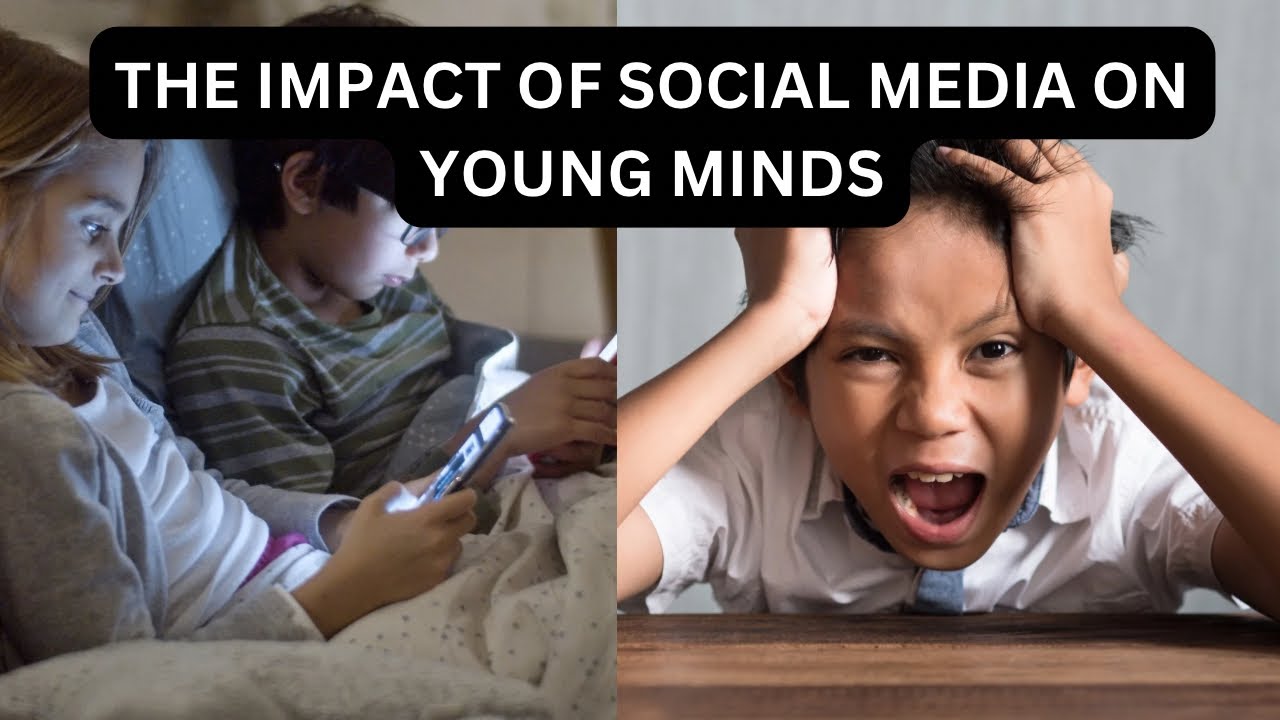
Push notifications are the external triggers that yank us out of reality. Research suggests that it takes an average of 23 minutes to refocus on a task after an interruption. If a person receives dozens of notifications a day, the cumulative loss of productive time is staggering. The mere presence of a smartphone on a desk even if it is turned off has been shown to reduce cognitive capacity, simply because the brain is expending energy resisting the urge to check it.
Consequences on Academic and Professional Life
The erosion of focus is not just an abstract annoyance; it has tangible impacts on how the next generation learns and how the current workforce performs.
In academic settings, students find it nearly impossible to engage with long-form text. The concept of reading a 300-page novel for a literature class has become daunting for a generation accustomed to 60-second video summaries. This leads to a decline in critical thinking skills. Reading complex narratives requires the brain to hold multiple threads of information simultaneously (working memory) and analyze them. Social media, with its bite-sized information, discourages this. Students are becoming excellent at skimming but terrible at deep comprehension.
In the workplace, the “always-on” culture fostered by social media bleeds into professional communication tools like Slack and Teams. Employees are expected to be instantly responsive, further fragmenting the workday. Deep work the ability to focus without distraction on a cognitively demanding task is becoming a superpower simply because so few people possess it. This results in a workforce that is busy but not productive, mistaking movement for progress.
The Impact on Memory and Mental Clarity
Focus is the gateway to memory. If you do not pay attention to something, your brain never encodes it in the first place. The state of “continuous partial attention” that social media encourages means we are rarely fully present. We watch a movie while scrolling Twitter. We have a conversation while checking Instagram. This divided attention ensures that these experiences are never properly transferred from short-term memory to long-term memory.
This leads to a peculiar phenomenon often called “digital amnesia.” Because we know we can look up information online (or find that conversation in our DMs), our brains stop bothering to remember it. While this might seem efficient, it weakens the neural pathways associated with recall. A strong memory is built on a network of associations; by outsourcing our memory to the cloud, we are letting those networks atrophy.
Furthermore, the constant comparison culture on social media breeds anxiety and depression. When we are anxious, our focus narrows to threats and worries. A mind consumed by “why didn’t I get more likes?” or “why is their life better than mine?” has no bandwidth left for creativity or problem-solving. The mental clutter directly inhibits the clarity required for sustained focus.
The Paradox of Multitasking
Many users justify their social media habits by claiming they are good multitaskers. However, neuroscience has proven that the human brain does not truly multitask; it task-switches rapidly. Every time a person switches from writing an email to looking at a notification, there is a “switch cost” a delay in mental processing as the brain disengages from one task and engages in another.
Social media encourages pathological task-switching. A person might be working on a spreadsheet, glance at a pop-up, reply to a comment, swipe to a video, watch 10 seconds of it, and then try to return to the spreadsheet. By this point, the brain has lost the “context” of the spreadsheet work. It takes time to rebuild that mental model. People who engage in heavy media multitasking are actually worse at filtering out irrelevant stimuli, meaning they are more easily distracted by everything, not just social media.
The Attention Economy
To fully grasp why this is happening, one must understand the economic engine driving it. We are not the customers of social media; we are the product. Our attention is the raw material that platforms harvest and sell to advertisers. The goal of every major tech company is to maximize the amount of time our eyeballs are glued to the screen.
In this “attention economy,” focus is the ultimate currency. By designing platforms that are addictive, these companies ensure a steady revenue stream. The human attention span has reportedly dropped from 12 seconds in the year 2000 to just 8 seconds today—a statistic often cited to illustrate that we now have a shorter attention span than a goldfish. While the accuracy of that specific stat is debated, the trend it represents is undeniable.
Reclaiming Focus in a Distracted World
While the situation seems dire, the brain remains plastic. It can be rewired. We are not helpless victims of the algorithm. Reclaiming focus requires a deliberate and often uncomfortable digital detox and habit restructuring.
A. Environmental Design
The first step is to change the environment to reduce triggers. This means turning off all non-essential push notifications. If the phone doesn’t buzz, the brain doesn’t get triggered. Keeping the phone in another room while working or sleeping creates a physical barrier to impulsive checking.
B. Time Batching
Instead of responding to the digital world in real-time, batch processing is essential. Set specific times of the day to check social media or email—for example, 11:00 AM and 4:00 PM. Outside of those windows, the apps remain closed. This trains the brain to know that a reward is coming, reducing the anxiety of missing out.
C. Monotasking Practice
Just as we train muscles in the gym, we must train attention. This can be done through the Pomodoro Technique: 25 minutes of focused work followed by a 5-minute break. During that 25 minutes, absolutely no other tabs or apps are opened. This rebuilds the “attention muscle.”
D. Digital Minimalism
Adopting a philosophy of digital minimalism means questioning the value of every app. Is this platform bringing value to my life, or is it just a time sink? Deleting apps from the phone and using them only via a desktop browser can add enough friction to reduce usage significantly.
E. Cultivating Boredom
Ironically, one of the best cures for a fractured attention span is boredom. When waiting in line or sitting on a bus, resist the urge to pull out the phone. Allow the mind to wander. This “default mode network” is crucial for creativity, self-reflection, and problem-solving. By filling every spare second with stimulation, we starve this network.
The Role of Mindfulness and Meditation
Mindfulness practices are the direct antidote to the scatterbrain effect of social media. Meditation trains the brain to notice when it has wandered and bring it back to a single point of focus—usually the breath. This is essentially “rep count” for attention. Studies have shown that just a few weeks of regular meditation can increase gray matter density in brain regions associated with attention and sensory processing.
By becoming aware of the urge to check the phone without acting on it, users can break the automatic loop of stimulus and response. This creates a gap between the trigger (boredom) and the action (scrolling), allowing for a conscious choice.
Conclusion: The Future of Focus
Social media is not going away, and it isn’t entirely evil. It connects communities, spreads vital information, and provides entertainment. However, the unbridled, unconscious consumption of it poses a significant threat to our collective cognitive abilities. The platforms are designed to destroy focus, and they are succeeding.
The path forward requires a cultural shift in how we value attention. We must treat our focus not as an infinite resource to be exploited by advertisers, but as a sacred vessel for a meaningful life. By understanding the tricks of the trade, implementing strict personal boundaries, and actively practicing deep focus, we can enjoy the benefits of social media without letting it erode the very essence of our consciousness. Reclaiming focus is an act of rebellion in the modern world, and it is the only way to ensure that we, not the algorithms, are in control of our minds.