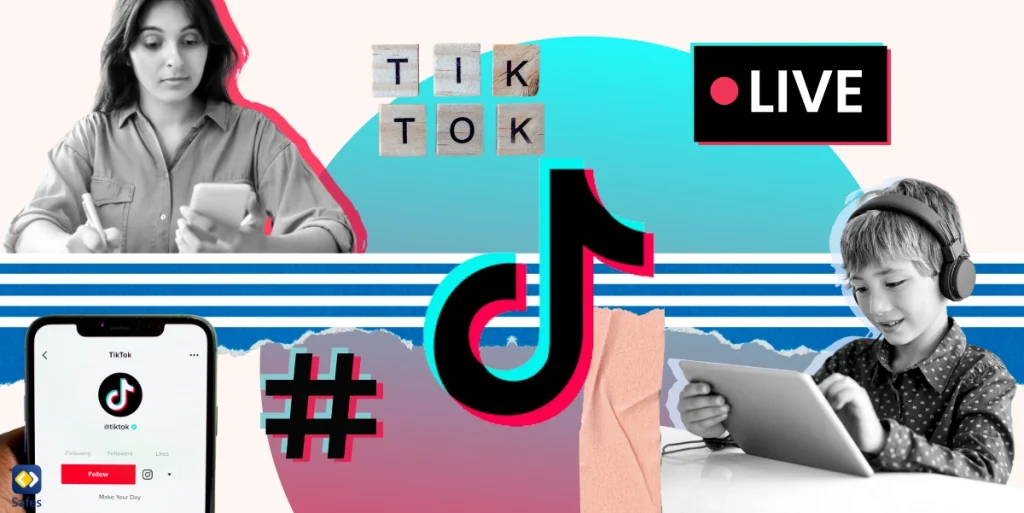
In an era dominated by fleeting notifications and infinite scrolling, a surprising protagonist has emerged in the educational landscape. TikTok, the short-form video platform often dismissed as a mere distraction, is at the forefront of a significant paradigm shift in how knowledge is consumed and created. This article explores the “TikTok Learning Revolution,” examining how bite-sized videos are reshaping pedagogy, fostering microlearning, and empowering a new generation of self-directed learners outside the traditional classroom walls.
The Shift from Entertainment to Edutainment
The traditional model of education often involves lengthy lectures and dense textbooks. However, the cognitive reality of the 21st-century learner is changing. With the average attention span under pressure from constant digital stimulation, the need for speed, clarity, and immediacy in information delivery has never been greater . This is where TikTok has found its unexpected niche.
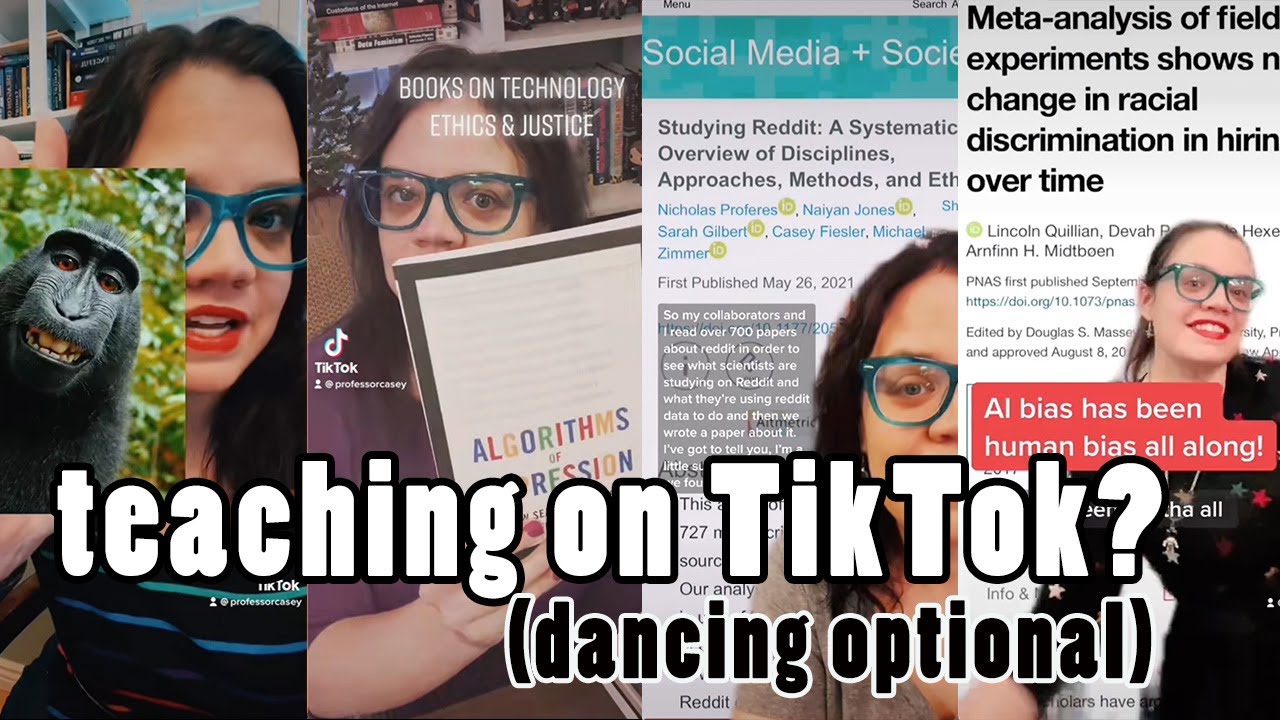
Initially perceived purely as a platform for dance crazes and lip-syncing, TikTok has rapidly evolved into a hub for what is now termed “edutainment” a blend of education and entertainment . The platform’s algorithm, which curates content based on user interaction, has proven remarkably effective at serving up educational content. From science experiments that explode with color to historians debunking myths in 60 seconds, the app has transformed passive scrollers into active learners.
This phenomenon, sometimes referred to as the “Tiktokification” of learning, highlights a critical insight for educators and edtech developers: content format matters as much as content quality . The platform’s success lies in its adherence to the principles of Cognitive Load Theory, which suggests that people learn best when information is presented in manageable, digestible chunks that do not overwhelm the brain’s processing capacity . By breaking down complex topics into short, engaging clips, TikTok facilitates better retention and understanding for millions of users worldwide .
Democratizing Education and the “Personal Curriculum” Trend
One of the most profound impacts of TikTok’s learning revolution is the democratization of education. Higher education is prohibitively expensive in many parts of the world, creating barriers to entry for lifelong learners. TikTok has emerged as a free alternative, offering a vast repository of knowledge accessible to anyone with a smartphone .
This accessibility has given rise to a powerful trend known as the “Personal Curriculum.” Spearheaded by creators like Elizabeth Jean (known as @xparmesanprincessx on TikTok), this movement sees adults—many of whom have graduated from formal education—taking charge of their own learning journeys . Instead of enrolling in costly degree programs, users are designing their own semester-style studies on topics ranging from physics and epidemiology to fiber arts and finance .
The appeal of this trend lies in its autonomy and lack of academic pressure. As noted by psychology professor Amori Mikami, traditional education often focuses heavily on memorization, leaving little room for intrinsically motivated exploration. The personal curriculum trend allows individuals to reconnect with the joy of learning by pursuing subjects they are genuinely curious about, fighting against the feeling of “brain rot” associated with mindless scrolling .
A. How to Build a Personal Curriculum on TikTok:
Inspired by creators like Mia’s Digital Diary, users can follow a structured approach to self-learning .
-
Define Your Timeline: Choose a specific period for your study, such as a monthly or quarterly “semester,” to set clear expectations.
-
Brainstorm Interests: Conduct a “brain dump” of every topic or skill you have ever wanted to explore, from practical skills like coding to theoretical subjects like philosophy.
-
Curate Resources: Move beyond TikTok to gather resources. This includes library books (via apps like Libby), podcasts, YouTube lectures, and academic articles.
-
Create Accountability: Since there are no professors or grades, successful self-learners often keep detailed progress logs, create final projects, or use AI tools like ChatGPT to generate a structured syllabus and homework assignments .
Enhancing Communication and Academic Skills
The educational value of TikTok is not just anecdotal; it is increasingly supported by empirical research. A comprehensive meta-analysis published in the International Journal of Technology in Education analyzed 30 studies involving over 2,300 students and found that TikTok had a large and significant effect on enhancing students’ communication skills . The platform’s requirement to convey messages concisely and creatively helps users develop both oral and written proficiency.
Furthermore, a study from IEEE exploring students’ perspectives revealed that 60% of respondents actively use the platform for learning, with science and mathematics being the most preferred subjects . Students reported that the platform’s ability to present complex topics in a visually engaging manner aligns perfectly with Mayer’s Cognitive Theory of Multimedia Learning, which emphasizes the benefits of combining words and pictures . However, the same study issued a caution: while TikTok is excellent for initial knowledge acquisition, its short format can limit in-depth exploration, suggesting it is best used as a supplementary tool alongside traditional methods .
TikTok in Higher Education: A Pedagogical Tool
Beyond informal learning, educators are beginning to formally integrate TikTok into higher education curricula. A systematic review published in Taylor & Francis and research in Innovative Higher Education detail how the platform is being used across various disciplines .
-
Physical Education and Sport Science: In courses involving movement and dramatization, such as sport science, TikTok assignments have been shown to boost student motivation and creativity. Students create videos demonstrating techniques or concepts, which helps them engage with the material practically. Studies showed that the TikTok-integrated groups demonstrated significant improvements in teaching quality and personal interest in sports .
-
Medical and Language Education: The platform is widely used for microlearning in medical fields for quick anatomical lessons and in language learning for immersive vocabulary practice. The engaging format helps maintain student interest in dense subjects .
-
Professional Development and Industry Engagement: Perhaps most innovatively, educators are using TikTok to bridge the gap between academia and industry. In sport management classes, for example, students use TikTok to analyze how sports teams and athletes engage with fans. An educational intervention in Spain revealed that after using TikTok, students’ perceptions of the platform shifted dramatically. They recognized its value not only as a learning tool but also as a means to build their professional digital skills and connect with the sports industry, effectively building a portfolio of work that is relevant to modern employers .
The Aesthetics of Learning: Authenticity and Engagement
Why does TikTok succeed where many learning management systems fail? The answer lies in the platform’s core design philosophy: authenticity over production value .
A. Lessons from TikTok’s Creative Trends:
Educational content thrives on TikTok when it adheres to the same rules that govern viral trends .
-
Real Over Polished: Videos that feel raw, lo-fi, and creator-led build instant trust. A teacher explaining a concept on a smartphone in their living room often outperforms a high-budget studio production because it feels human and relatable.
-
Sound Drives Success: The strategic use of trending audio or narrative voiceovers can make educational content more dynamic and memorable.
-
Remixing, Not Repeating: The best educational creators do not just repeat facts; they “remix” cultural moments and trends to explain their subject matter, making the learning feel current and connected to the student’s world.
This approach fosters a sense of community and peer-to-peer interaction that is often missing in formal education. A live comments section on an educational video can become a bustling forum where learners clarify doubts, share resources, and connect with each other, effectively creating a distributed classroom without walls .
Challenges and Considerations for Digital Learning
Despite its immense potential, the integration of TikTok into education is not without significant challenges. Researchers and educators have identified several barriers that must be addressed to harness the platform’s power responsibly .
-
Distraction and Addiction: The primary concern is that the platform’s entertainment-focused algorithm can easily derail academic focus. Students may open the app with the intention of learning but get lost in an endless stream of non-educational content.
-
Content Quality and Accuracy: Unlike peer-reviewed journals, TikTok is rife with misinformation. The lack of editorial oversight means that learners must possess strong critical thinking skills to discern fact from fiction .
-
Time Constraints and Technical Issues: For educators, designing effective TikTok-based assignments requires navigating students’ varying levels of technical skill and managing the workload associated with content creation .
-
Privacy and Ethical Concerns: The platform’s data collection practices and its ownership have led to scrutiny and bans in several countries, raising questions about the security of educational data .
The Future of Learning is Already Here
The TikTok learning revolution signals a broader shift toward microlearning and student-centered design. As technology continues to evolve, the line between social media and education will likely blur even further. The future of learning is not confined to a homeroom; it is distributed across the “For You” pages of millions, tailored by algorithms and driven by curiosity .
The key takeaway for educators and policymakers is clear: we must pay close attention to these behavioral changes. The design of learning experiences must respond to the cognitive reality of today’s digital natives. By understanding the psychology behind short-form content and adopting the best practices of platforms like TikTok, we can create educational experiences that are not only more engaging but also more effective in preparing students for a rapidly changing world . The tools for a global education revolution are already in our pockets; it is now up to us to learn how to use them wisely.