In the rapidly evolving landscape of education, institutions worldwide face a persistent challenge: keeping students engaged and enrolled until completion. Student retention has become a critical metric for success, directly impacting institutional reputation, funding, and most importantly, learner outcomes. As classrooms transform from traditional lecture halls to dynamic digital ecosystems, Educational Technology commonly known as EdTech has emerged as a powerful ally in the fight against student dropout rates. This comprehensive article explores the multifaceted ways EdTech boosts student retention, examining the tools, strategies, and psychological principles that make technology an indispensable component of modern education.
Understanding the Retention Crisis in Education
Before delving into solutions, it is essential to comprehend why students leave educational programs prematurely. The reasons are rarely simple; they form a complex web of academic, personal, financial, and institutional factors.
A. Academic Challenges
Many students struggle with course material that moves too quickly or lacks proper scaffolding. When foundational concepts remain unclear, subsequent learning becomes increasingly difficult, leading to frustration and disengagement. Traditional classroom settings often fail to provide the immediate, personalized support these students need.
B. Financial Pressures
The rising cost of education forces many learners to balance work and study. When work demands increase or unexpected expenses arise, education often becomes the sacrifice. Students facing financial strain may view enrollment as a luxury they can no longer afford.
C. Personal and Social Factors
Isolation remains a significant contributor to dropout rates. Students who fail to form meaningful connections with peers or instructors often feel disconnected from the institutional community. This sense of belonging is crucial for persistence, yet large class sizes and impersonal environments make connection difficult.
D. Lack of Engagement
When course delivery relies solely on passive listening lectures, reading assignments, and memorization—students lose interest. The human brain craves interaction, problem-solving, and application. Without these elements, even motivated learners may mentally check out long before physically leaving.
E. Inadequate Support Systems
Students need guidance not only academically but also in navigating institutional processes, career planning, and personal challenges. When support is difficult to access or entirely absent, small problems escalate into reasons for departure.
How EdTech Directly Addresses Retention Barriers
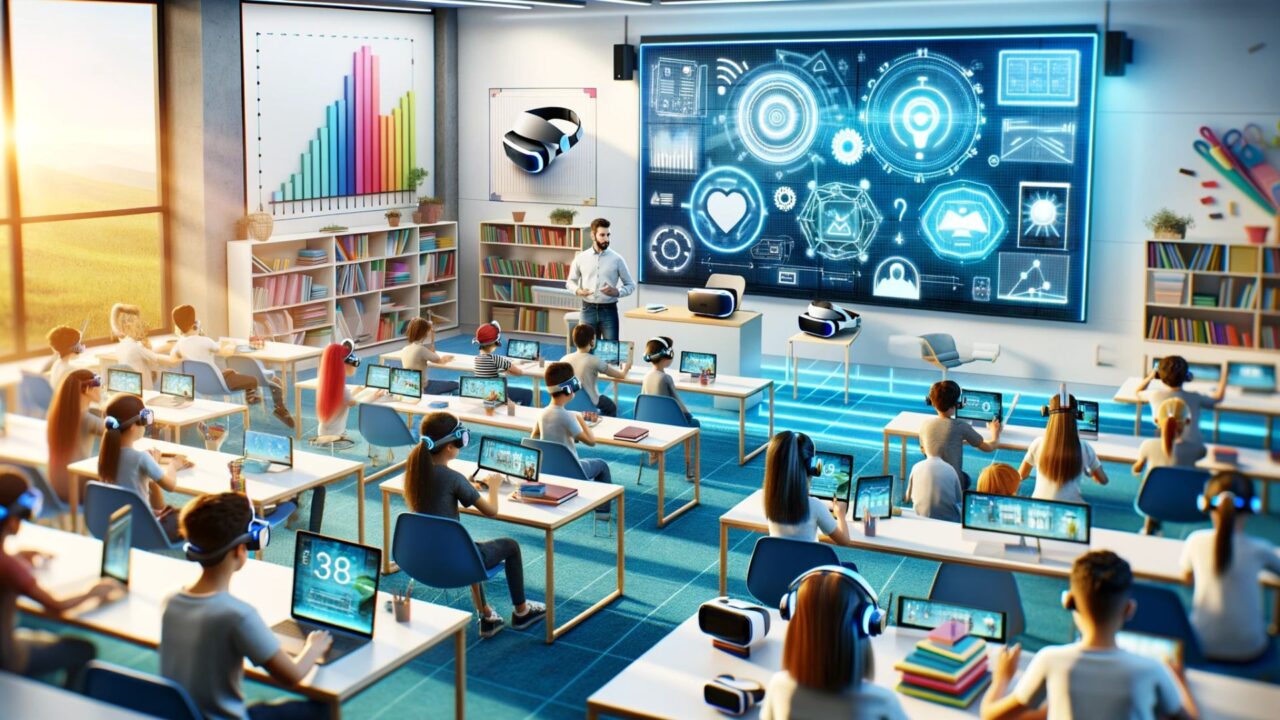
Educational technology does not merely digitize existing practices; it fundamentally transforms the learning experience. By leveraging data, interactivity, and accessibility, EdTech creates environments where students are more likely to succeed and persist.
1. Personalized Learning Pathways
One of the most significant contributions of EdTech to retention is its ability to personalize education at scale. No two students learn identically; they possess different background knowledge, learning speeds, and cognitive preferences.
Adaptive Learning Platforms: Sophisticated software like DreamBox, Knewton, and Smart Sparrow uses algorithms to adjust content delivery based on student performance. If a learner struggles with a particular concept, the system provides additional explanations, practice problems, or alternative representations. Conversely, students who demonstrate mastery can accelerate to more challenging material. This responsiveness prevents the boredom of reviewing known content and the frustration of advancing without comprehension.
Self-Paced Modules: Asynchronous learning components allow students to progress according to their schedules and comprehension rates. A working parent might complete modules late at night, while a fast learner finishes coursework ahead of deadlines. This flexibility removes the time-related pressures that often force students to choose between work, family, and education.
 2. Enhanced Engagement Through Interactive Content
Retention improves dramatically when students actively participate in their learning rather than passively receive information. EdTech transforms passive consumption into active discovery.
Gamification Elements: Incorporating game mechanics—points, badges, leaderboards, and leveling—into educational platforms taps into intrinsic motivation. When students earn rewards for completing modules or mastering skills, dopamine release creates positive associations with learning. Platforms like Kahoot! and Quizizz turn assessment into competition, making review sessions anticipated events rather than dreaded obligations.
Simulations and Virtual Labs: Subjects like science, engineering, and medicine benefit enormously from virtual experimentation. Labster and similar platforms allow students to conduct experiments in safe, cost-effective virtual environments. They can repeat procedures without wasting materials, explore dangerous scenarios without risk, and visualize abstract concepts through 3D models. This hands-on approach deepens understanding and maintains curiosity.
Interactive Video Content: Modern video platforms enable embedded questions, branching scenarios, and clickable elements. Rather than passively watching lectures, students make choices that affect outcomes, answer checkpoint questions, and receive immediate feedback. This interactivity maintains attention and reinforces learning within the same medium.
3. Data-Driven Early Intervention
Perhaps the most powerful retention tool EdTech provides is the ability to identify at-risk students before they decide to leave. Learning Management Systems (LMS) and analytics platforms continuously collect data on student behavior.
Learning Analytics: By tracking metrics such as login frequency, time spent on tasks, assignment submission patterns, and forum participation, institutions gain unprecedented insight into student engagement. A student who once logged in daily but now appears only weekly, or one whose assignment grades suddenly drop, triggers alerts in the system.
Predictive Modeling: Advanced analytics apply machine learning to historical data, identifying patterns that precede dropout. These models can flag students with specific combinations of risk factors—low attendance, poor quiz performance, limited peer interaction—allowing advisors to intervene proactively.
Automated Outreach: When risk indicators appear, automated systems can initiate contact. A simple email checking on the student’s wellbeing, offering tutoring resources, or scheduling an advising appointment demonstrates institutional care. This timely outreach often catches problems before they become irreversible.
4. Building Community and Connection
Isolation kills retention; connection sustains it. EdTech bridges physical distances and creates opportunities for meaningful interaction that traditional classrooms sometimes lack.
Collaborative Digital Spaces: Platforms like Microsoft Teams, Slack, and Discord, integrated with educational content, enable constant communication among peers. Students can form study groups, ask questions, share resources, and provide social support outside class hours. These persistent communities mimic the organic connections formed in dormitories and campus common areas, extending them to commuter and online students.
Peer-to-Peer Learning Tools: Discussion forums with rating systems elevate quality contributions, while peer assessment tools give students ownership of each other’s growth. When students teach and evaluate peers, they deepen their own understanding while building relationships.
Virtual Office Hours and Mentoring: Video conferencing tools remove barriers to instructor access. Students who might feel intimidated by in-person office hours often engage more readily through scheduled video calls. Additionally, platforms connecting students with alumni or industry mentors provide career guidance and inspiration, reinforcing the long-term value of persistence.
5. Accessibility and Accommodation
Retention requires that all students can fully participate, regardless of physical, cognitive, or situational limitations. EdTech democratizes access in ways physical classrooms cannot.
Assistive Technologies: Screen readers, speech-to-text software, closed captioning, and adjustable display settings ensure that students with disabilities can engage with content independently. When institutions provide these tools proactively, they eliminate barriers that might otherwise force departure.
Mobile Learning: The ubiquity of smartphones means education can happen anywhere. Students with unreliable internet or computers can complete work on mobile devices. Those with unpredictable schedules can learn during commutes or breaks. Mobile-friendly platforms ensure that life circumstances do not preclude continued enrollment.
Translation and Language Support: For non-native speakers, built-in translation tools and multilingual interfaces reduce the cognitive load of learning in a second language. When students can access content in their preferred language while gradually building academic language skills, comprehension and confidence improve.
6. Streamlined Administrative Support
Frustration with bureaucratic processes often contributes to attrition. Students dealing with registration errors, financial aid confusion, or inaccessible advising may view these obstacles as signs that the institution does not value their persistence.
Integrated Student Portals: Modern EdTech platforms centralize administrative functions. Students can register for courses, check financial aid status, access advising notes, and manage billing through a single interface. Automation reduces errors, while clear dashboards provide transparency about requirements and deadlines.
Chatbots and AI Assistants: Twenty-four-hour support through intelligent chatbots answers common questions instantly, reducing the friction of navigating institutional bureaucracy. When students encounter problems after business hours a common occurrence for working learners they receive immediate assistance rather than waiting and potentially losing momentum.
Early Alert Systems for Administrative Issues: Just as academic analytics identify struggling students, administrative systems can flag enrollment holds, outstanding document requirements, or approaching deadlines. Proactive notifications prevent small oversights from becoming barriers to continuation.
The Psychological Foundations of EdTech-Enhanced Retention
Understanding why EdTech works requires examining the psychological principles underlying student persistence. Effective technology implementations align with fundamental human needs and motivations.
A. Self-Determination Theory
Psychologists Edward Deci and Richard Ryan identified three universal psychological needs that, when satisfied, foster intrinsic motivation: autonomy, competence, and relatedness.
Autonomy: EdTech supports autonomy through choice. Students can choose when to learn, how to demonstrate mastery, and which resources to use. Personalized pathways respect individual preferences while maintaining academic standards.
Competence: Adaptive systems ensure students experience success at appropriate challenge levels. Gamification elements provide frequent, clear feedback on progress. When students see themselves improving, their sense of competence grows, fueling continued effort.
Relatedness: Collaborative tools and social learning features fulfill the need for connection. Students who feel part of a learning community are more likely to persist through difficulties.
B. Growth Mindset
Carol Dweck’s research on mindset reveals that students who believe intelligence can develop through effort outperform those who view ability as fixed. EdTech can cultivate growth mindset through:
-
Mastery-based progression: Advancing only after demonstrating competence reinforces the idea that persistence leads to achievement.
-
Constructive feedback: Automated systems that provide specific guidance rather than simple right/wrong judgments encourage iterative improvement.
-
Visible learning analytics: Dashboards showing effort and improvement over time make the connection between work and growth explicit.
C. Immediate Feedback Loops
The human brain learns most effectively when feedback follows action quickly. Traditional education often involves submitting assignments and waiting days or weeks for evaluation. By then, the connection between work and result has weakened.
EdTech provides instantaneous feedback on quizzes, interactive exercises, and even written assignments through AI-powered evaluation. This immediacy reinforces correct understanding and corrects errors before they become entrenched. Students maintain momentum because they always know where they stand.
Implementing EdTech for Maximum Retention Impact
Technology alone cannot solve retention challenges; thoughtful implementation determines success. Institutions must consider several factors when deploying EdTech solutions.
1. Faculty Training and Buy-In
The most sophisticated platform fails if instructors do not use it effectively. Faculty members need training not only in technical operation but also in pedagogical integration. When professors understand how technology enhances their teaching rather than replacing it, they become powerful advocates.
Professional development should emphasize:
-
Interpreting analytics to identify struggling students
-
Designing engaging digital activities
-
Facilitating online discussions productively
-
Balancing technology use with human connection
2. Student Orientation and Support
Introducing new platforms without adequate orientation can overwhelm students, ironically increasing dropout risk. Institutions should provide:
-
Tutorial sessions demonstrating platform features
-
Quick reference guides for common tasks
-
Technical support accessible through multiple channels
-
Peer mentors who can share tips and encouragement
3. Equitable Access
The digital divide remains real. Students without reliable internet, modern devices, or quiet study spaces cannot benefit from EdTech. Institutions must address these disparities through:
-
Device loaner programs
-
Campus spaces with extended hours and technology access
-
Partnerships with community organizations providing connectivity
-
Offline-capable learning materials for students with intermittent access
4. Continuous Evaluation
Retention strategies require ongoing assessment. Institutions should track not only overall retention rates but also:
-
Engagement metrics across student demographics
-
Correlation between specific tool usage and persistence
-
Qualitative feedback on technology experiences
-
Unintended consequences or accessibility issues
Regular evaluation allows for timely adjustments and ensures technology investments actually serve retention goals.
Case Studies: EdTech Success in Action
Community College of Denver
Facing retention rates below 50%, the institution implemented an integrated student success platform combining analytics, advising tools, and early alert systems. Advisors received daily reports on at-risk indicators and reached out proactively. Within two years, retention increased by 12%, with the greatest gains among first-generation and minority students.
Arizona State University
ASU’s partnership with adaptive learning provider Knewton transformed foundational mathematics courses. The platform personalized instruction based on continuous assessment, allowing students to progress at optimal speeds. Course completion rates rose from 65% to 75%, and the achievement gap between prepared and underprepared students narrowed significantly.
Western Governors University
This fully online institution built its model around competency-based education supported by sophisticated technology. Students advance by demonstrating mastery rather than spending set time in courses. Mentors use data dashboards to monitor progress and provide targeted support. Graduation rates exceed national averages for similar populations, demonstrating that technology-enabled personalization works at scale.
The Future of EdTech and Student Retention
As technology evolves, new capabilities will further enhance retention efforts. Emerging trends include:
Artificial Intelligence Tutoring: Advanced AI systems will provide personalized instruction approaching human tutor effectiveness. These always-available resources will support students through difficult concepts, reducing frustration-related dropout.
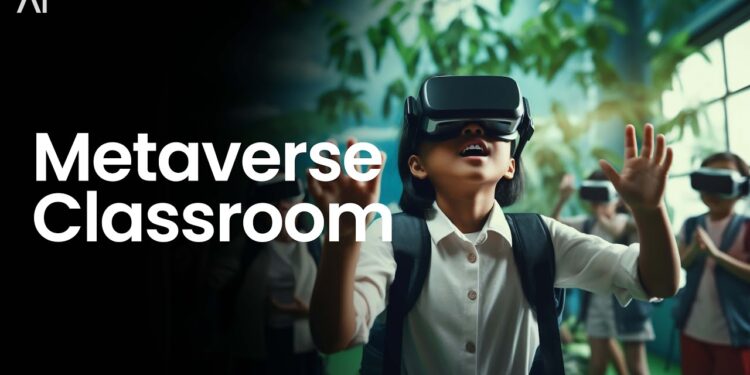
Virtual and Augmented Reality: Immersive experiences will transform career and technical education, allowing students to practice skills in realistic environments. The engagement and relevance of VR/AR learning will strengthen motivation to complete programs.
Emotion Recognition and Sentiment Analysis: Future systems may detect student emotional states through typing patterns, facial expressions, or language choice. When frustration or disengagement appears, the system could adjust difficulty, suggest breaks, or alert support staff.
Blockchain Credentials: Secure, portable digital credentials will make educational achievements more valuable in the job market. Students who see clear connections between coursework and career advancement are more likely to persist.
 Conclusion: Technology as Partner, Not Panacea
Educational technology offers powerful tools for improving student retention, but it operates best in partnership with human educators and support systems. The platforms described throughout this article do not replace caring instructors, dedicated advisors, or supportive communities. Rather, they amplify human efforts, providing insights and capabilities impossible in traditional environments.
When institutions implement EdTech thoughtfully with attention to equity, training, and continuous improvement they create ecosystems where more students can succeed. Personalized pathways honor individual differences. Early interventions catch problems before they escalate. Communities form across distances. Administrative burdens lighten, freeing humans to focus on human work.
The goal of retention is not merely keeping students enrolled; it is helping them complete meaningful educational journeys that transform lives. Educational technology, deployed with wisdom and compassion, moves education closer to that ideal. In classrooms virtual and physical, supported by algorithms and analytics but guided by human hearts, more students will persist, overcome, and achieve.
As we look to the future, the question is not whether technology belongs in education, but how we can harness its power while preserving the human connections that ultimately sustain us through challenges. The answer lies in thoughtful integration, constant evaluation, and unwavering commitment to student success above all. With this balanced approach, EdTech will continue proving itself an indispensable ally in the essential work of keeping students learning, growing, and graduating.